
Specialty Programs
At Hope Horizon Mental Health, we offer a range of innovative programs designed to address complex mental health needs with targeted, evidence-based support. From community-based interventions to trauma-informed, experiential therapies, our goal is to meet clients where they are—with the right level of care, at the right time. Learn more about how programs like, Parent-Child Interaction Therapy (PCIT), First Episode Psychosis (FEP), and Equine-Facilitated Psychotherapy are helping youth and families find hope and healing.
Parent-Child Interaction Therapy/Parent-Child CARE (PCIT/PC-CARE)
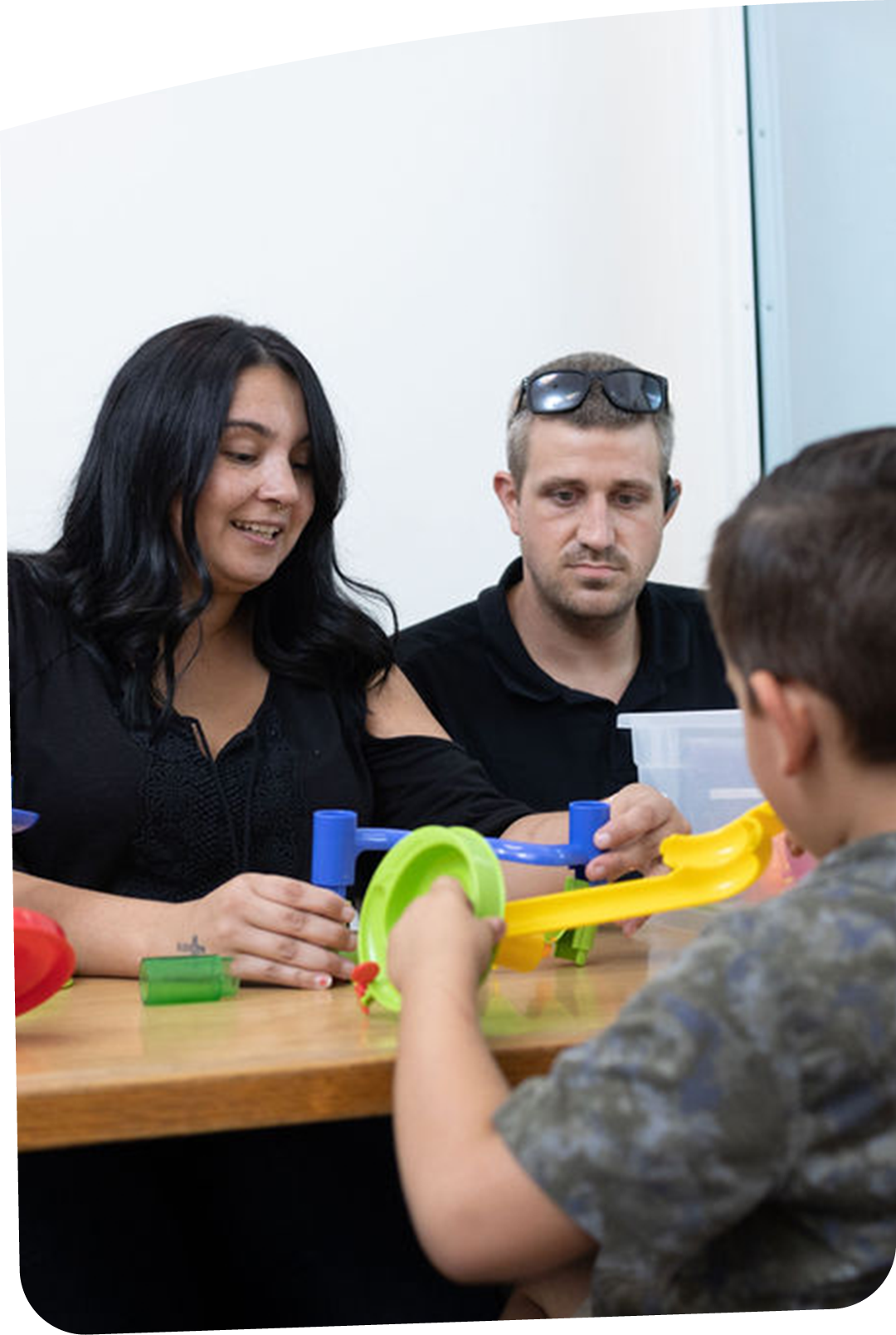
In 2007, Hope Horizon Mental Health (formerly Tulare Youth Service Bureau) began the first Parent-Child Interaction Therapy (PCIT/PC-CARE) program in Tulare County. Hope Horizon Mental Health provides PCIT therapy at 3 sites throughout Tulare County in the Cities of Tulare, Lindsay, and Porterville. Wearing a hidden earpiece, caregivers are coached in positive parenting and setting into place consistent limits for young children. In partnership with UC Davis and PCIT International, Hope Horizon Mental Health has trained and certified numerous therapists in this practice, as well as trained staff at partnering agencies.
Additionally, PC-CARE, which is offered on-site at the office or at home, is an evidence-based practice designed to improve the parent-child relationship, reduce negative and oppositional behaviors between children and parents, improve positive parenting skills and produce long-term positive outcomes for families.
Download the printable PCIT/PC-Care flyer in English or Espanol.
First Episode Psychosis (FEP)
First Episode Psychosis (FEP) mental health services are specialized services designed to support individuals who are experiencing their first episode of psychosis. These services recognize the unique challenges and opportunities of the early stages of psychotic illness, and aim to provide prompt, effective, and evidence-based interventions. The focus is on stabilizing the individual’s symptoms, reducing the risk of future hospitalizations, and promoting recovery and a return to community living. FEP services typically involve a team of mental health professionals who work together to provide a comprehensive and coordinated approach to care. This may include medication management, individual and group therapy, case management, and support for education and employment. The goal of FEP services is to help individuals with psychosis receive timely and effective care, reduce the impact of the illness on their lives, and improve their long-term outcomes.

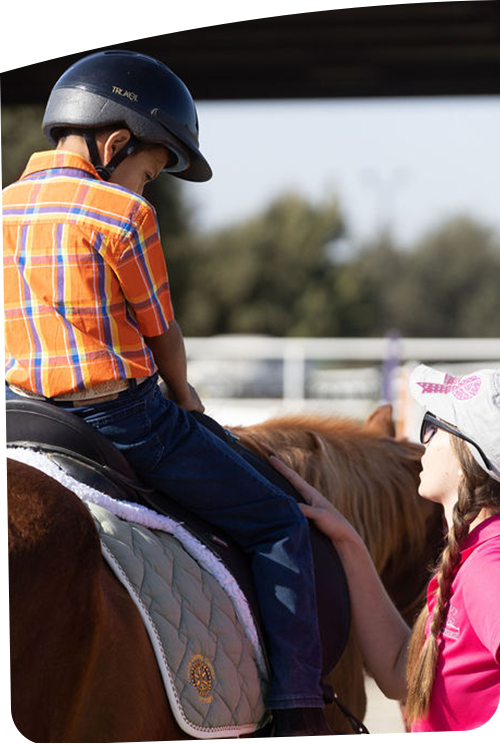
Equine Facilitated Psycho-Therapy
We are proud to partner with Happy Trails Riding Academy where we provide Equine Facilitated Pscyho-Therapy (EFP): a unique service that allows our clients to work with horses in addition to traditional talk therapy techniques. EFP is a form of animal therapy, which is a powerful tool for healing and recovery from physical, emotional, and mental trauma. Animal therapy can provide comfort and support during difficult times, and it can help create a sense of trust and connection with the animal. Animals can also be an effective way to help people learn new skills and engage in activities they may not have been able to do before. Please call us to learn more!